



Explore our exciting job openings and become part of the team.

Our proud journey from a handcrafted chimney fan in Sorø to a global market leader with a focus on the green transition.

Dealer portal for existing dealers and partners.

Find your nearest dealer.

Inspiration, tips and tricks for your wood-burning stove and a healthier indoor climate.

CAREER

Your career.
Optimized.

Join Exodraft and our shared
ambition to build the bridge to a CO₂-neutral
future with greener energy for everyone.

Why Are Energy and Gas Prices Rising Globally?

Energy and gas prices rarely rise for one simple reason. They respond to a chain of pressure across mines, pipelines, ports, power plants, and households. When producers reduce output, available supplies tighten quickly. A colder winter can then push demand higher, especially in Europe and Asia. A delayed tanker or damaged pipeline may add another shock.

Fatih Birol, Executive Director of the International Energy Agency, warned, “The world is facing its first truly global energy crisis.” His observation remains important because today’s markets are deeply connected. A supply disruption in one region can influence heating bills thousands of miles away. Natural gas competition can also affect electricity prices, because many power stations burn gas when renewable output falls.

The picture is more complicated than market headlines suggest. Geopolitical tensions matter, but so do underinvestment, aging infrastructure, currency movements, and changing weather patterns. Consumers often see only the final bill. They do not see storage levels, shipping costs, or wholesale contracts behind it.

Some explanations remain incomplete.

This article examines how these forces interact and why price increases can spread so rapidly. It also considers the difficult balance between energy security, affordability, and the transition toward cleaner power. However, no single forecast is guaranteed. Markets can reverse after one mild winter, a new supply agreement, or weaker industrial demand. That uncertainty deserves attention, not confident slogans.
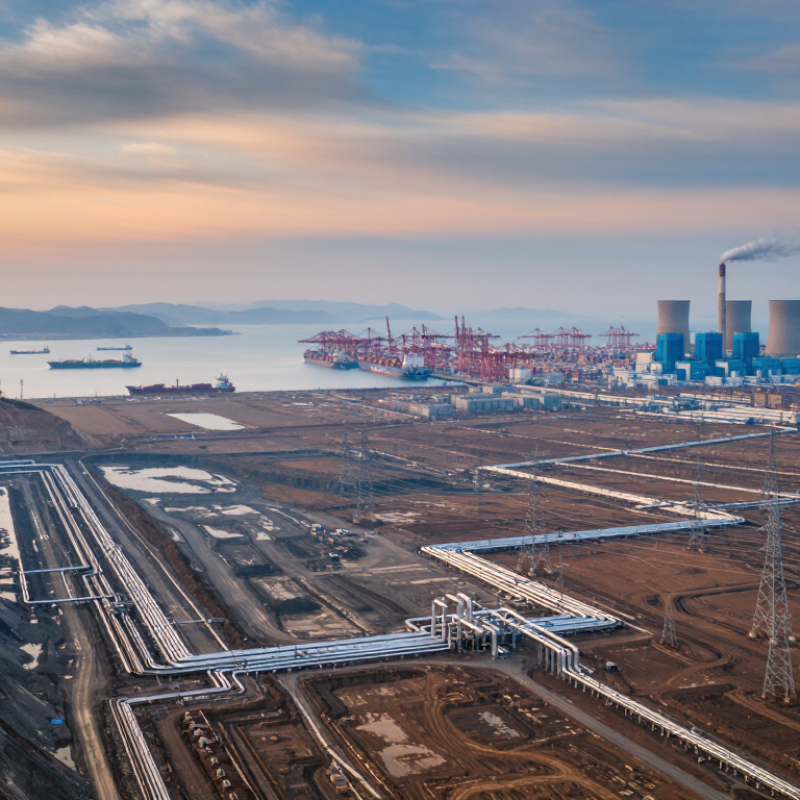
Why Are Energy and Gas Prices Rising Globally?

What Energy and Gas Prices Mean and How They Are Measured

Energy and gas prices are rising globally for several connected reasons. Demand can increase during cold winters, hot summers, or periods of industrial recovery. Supply may tighten after production disruptions, transport delays, or lower storage levels. Currency changes also matter because many energy contracts use the United States dollar. A weaker local currency can make imported fuel more expensive.

Energy prices describe the cost of fuels and electricity at different market stages. Wholesale prices reflect large transactions between producers, traders, and utilities.

Retail prices include transportation, storage, taxes, distribution fees, and supplier margins. Gas prices may refer to natural gas, liquefied gas, or household fuel, so the term needs careful definition. The comparison is never perfectly clean.

Measurement requires more than reading one headline number.

Natural gas is commonly priced per thermal unit, cubic metre, or megawatt-hour. Electricity may be measured per kilowatt-hour. Oil is often quoted per barrel.

Analysts adjust these figures for inflation, exchange rates, location, and delivery time. Spot prices show near-term transactions, while futures prices indicate expected costs.

Household bills reveal actual consumer pressure, but they can hide seasonal contracts or government support.

A useful check is simple: compare the same unit, date, currency, and market level. I have seen comparisons fail when one figure included taxes and another did not. That small error can change the story.

How Global Energy Supply and Demand Affect Prices

Why Are Energy and Gas Prices Rising Globally?

How Global Energy Supply and Demand Affect Prices

Energy prices rise when demand grows faster than supply can respond. A cold week can increase gas use as homes need heating for longer. Factories also compete for the same fuel during periods of industrial recovery. When storage levels are low, traders price in scarcity before shortages become visible. Small disruptions can create large movements.

Supply responds slowly because wells, pipelines, terminals, and power grids require years of planning. Maintenance, weather damage, transport limits, and regional conflicts can remove capacity quickly. Demand can change faster. A heatwave pushes air-conditioning loads upward, while weak economic activity may reduce factory consumption. Electricity markets add another layer because wind and solar output varies with weather. Flexible generation must fill the gaps.

Price signals travel across borders, but markets remain local in important ways. An area with full storage may stay calm while a neighboring region faces expensive imports. Households notice this through higher heating bills, and businesses may delay production or pass costs onward. Reliable analysis combines inventories, weather models, shipping data, pipeline flows, and demand indicators. Still, no forecast is perfect. Sharp predictions deserve caution because unexpected weather can expose weak assumptions.

Why Are Energy and Gas Prices Rising Globally?

How global energy supply and demand affect prices

Global energy prices rose sharply in 2021 and 2022 as economic activity recovered, demand increased, and energy supply became constrained. Prices eased in 2023 and 2024 as supply conditions improved and demand growth moderated. Crude oil is shown in US dollars per barrel, while natural gas uses the European benchmark in US dollars per million British thermal units. The figures are annual averages from the World Bank Commodity Markets data.

The Role of Geopolitical Conflicts and Trade Restrictions

Why Are Energy and Gas Prices Rising Globally?

The Role of Geopolitical Conflicts and Trade Restrictions

Energy prices often rise when geopolitical conflicts disturb routes, supplies, or investor confidence. A damaged pipeline can remove fuel from a regional market within hours. A threatened shipping lane can create similar pressure. Tankers may travel longer routes, while insurers charge more for risky waters. These extra costs eventually reach power stations, factories, and household bills.

Trade restrictions can deepen the disruption. Export controls, import limits, and new customs checks may delay crude oil, gas, or refined fuels. Even when supply still exists, it may not reach the right buyer quickly. Traders then compete for fewer available cargoes. Prices react before physical shortages become obvious. Storage levels, seasonal demand, and currency movements also influence the final increase.

The situation is not always simple. Conflict may cause a sudden spike, but weak infrastructure can keep prices high for months. Some governments release reserves or support vulnerable households. Those measures can reduce immediate pain, although they may create new fiscal pressure. Forecasts often miss these interactions. I have found that daily price changes tell only part of the story. Port queues, contract terms, and regional stockpiles matter too. A calmer headline does not always mean calmer energy markets.

How Production Costs, Transportation, and Storage Shape Prices

Why Are Energy and Gas Prices Rising Globally?

How Production Costs, Transportation, and Storage Shape Prices

Energy prices often rise because the entire supply chain becomes more expensive. Extracting oil or gas requires equipment, skilled labor, electricity, water, and safety controls. Older fields may need deeper drilling and more maintenance. These costs can increase even when production volumes remain stable. That distinction matters.

Transportation adds another pressure point. Gas may travel through pipelines, processing plants, or specialized ships. A damaged pipeline, crowded terminal, or sudden storm can restrict available supply. Shipping costs also respond to distance, fuel prices, insurance, and port delays. A cold week can create sharp regional price differences when local networks cannot deliver enough fuel.

Storage influences how markets handle uncertainty. Operators inject gas when demand is low and withdraw it during cold weather or power shortages. Storage sites have limited capacity, operating fees, and technical constraints. Low inventories can push current prices higher because buyers compete for immediate supply. High inventories may soften prices, but only if transportation systems can move that fuel where it is needed.

Production, transport, and storage are connected. A small disruption can spread across all three. Market prices also reflect expectations, not just present costs. Analysts must examine inventory reports, weather forecasts, infrastructure data, and production trends together. I may be oversimplifying, because data arrives late and forecasts change quickly. Cost pressures are real, but every price movement needs careful local context.

The Effects of Rising Energy Prices on Economies and Households

Why Are Energy and Gas Prices Rising Globally?

Rising energy prices reach households faster than official averages suggest. A gas bill arrives monthly, while wages adjust slowly. In the European Union, household electricity prices rose 2.9% during the first half of 2024, according to Eurostat. Gas prices fell 7.2% during the same period. This contrast shows why national headlines can mislead families using different fuels.

The pressure spreads beyond heating and transport. Higher fuel costs raise delivery charges, food prices, and public-service expenses. The International Monetary Fund reported that energy support measures reached about 1.5% of gross domestic product in advanced economies during 2022. Emerging markets faced an average near 2.5%. Governments protected consumers, but deficits increased. That protection cannot continue forever.

Small changes become painful.

A cold evening can mean choosing between heating and groceries. A commuter may reduce travel, not because demand disappeared, but because affordability changed. The World Bank’s Commodity Markets Outlook projected energy prices would decline in 2024 and 2025, yet it also warned that geopolitical disruptions could quickly reverse the trend. That uncertainty makes business planning harder and household budgeting fragile. In my view, policy discussions often understate these daily trade-offs. Average prices are useful, but they do not show the family checking a meter before turning on the heater.

Why Are Energy and Gas Prices Rising Globally? - The Effects of Rising Energy Prices on Economies and Households

Indicator Period Value Change Main driver or economic effect
Brent crude oil price 2021–2023 annual average US$70.86 → US$100.93 → US$82.49 per barrel +42.5% in 2022 Post-pandemic demand recovery, supply constraints, geopolitical risk and reduced spare capacity pushed crude prices sharply higher in 2022.
U.S. Henry Hub natural-gas price 2021–2023 annual average US$3.73 → US$6.54 → US$2.53 per MMBtu +75.3% in 2022 Gas markets reacted to supply disruptions, strong global competition for liquefied gas and unusually tight inventories.
EU household electricity prices First half of 2022 vs. first half of 2023 €25.30 → €28.90 per 100 kWh +14.2% Wholesale gas costs, network charges, taxes and the pass-through of earlier energy costs raised household electricity bills.
EU household natural-gas prices First half of 2022 vs. first half of 2023 €8.60 → €11.90 per 100 kWh +38.4% Lower pipeline supply and intense competition for imported gas increased retail prices, despite later wholesale-market easing.
Global consumer-price inflation 2021–2023 4.7% → 8.7% → 6.7% +4.0 percentage points in 2022 Energy became a major inflation channel by increasing transport, manufacturing, food-processing and heating costs.
Global energy-related CO₂ emissions 2022 vs. 2021 Approximately 36.8 gigatonnes +0.9% Coal use increased in several markets as governments and utilities sought alternatives to costly or insecure gas supplies.
People without access to electricity 2022 global estimate Approximately 685 million people Access remains uneven High energy costs can delay electrification investments and place a disproportionate burden on low-income households.
Global renewable-power capacity additions 2023 Approximately 510 GW +50% year on year High fossil-fuel prices and energy-security concerns accelerated investment in renewables, grids and storage.
Typical household impact During an energy-price shock Higher utility and transport bills Reduced real income Households may cut discretionary spending, reduce heating or cooling, postpone purchases and face a higher risk of energy poverty.
Sources: U.S. Energy Information Administration; Eurostat; International Monetary Fund, World Economic Outlook; International Energy Agency; World Bank and the International Energy Agency, Tracking SDG 7.
Contact us

Let us help you with the right solution

Address

HQ
Industrivej 10
5550 Langeskov

Talk to a consultant

Write to us to get in touch with a consultant

Address

HQ
Industrivej 10
5550 Langeskov

Thank you for your inquiry

Be contacted

Questions? Write to us and get a response

Address

HQ
Industrivej 10
5550 Langeskov

Thank you for your inquiry