How to Choose the Right Dumper Tracks?
Choosing the right Dumper Tracks is not a simple matter of matching size and price. The correct choice affects traction, stability, fuel use, operator comfort, and undercarriage life.
“Tracks should be selected for the ground first, not the brochure,” says Daniel Mercer, an independent tracked-equipment consultant with over 20 years of field experience. His advice is practical. A rubber track may suit landscaping, road repairs, and finished surfaces. Steel tracks can perform better on sharp rock, demolition debris, and severe ground conditions. However, neither option is perfect.
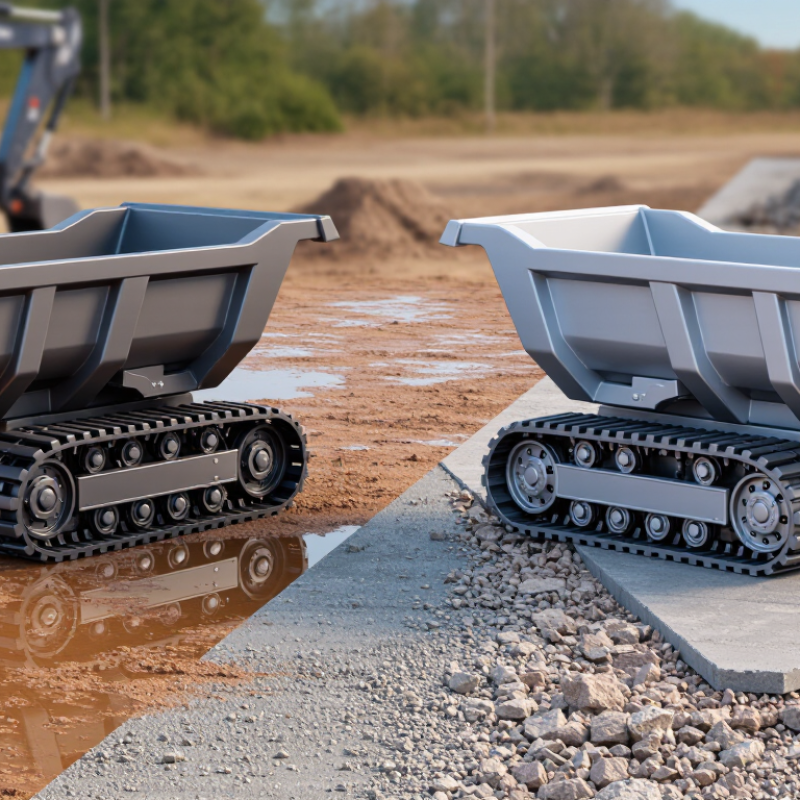
Begin with the machine’s make, model, track width, pitch, guide type, and sprocket design. Small errors can cause uneven wear or derailment. Check the manufacturer’s specifications carefully. Then study the working surface. Wet clay demands grip. Loose gravel demands stability. Concrete demands lower marking and smoother movement.
Load weight matters too.
A heavily loaded dumper needs strong carcass construction and dependable sidewall protection. Frequent turning on abrasive ground may shorten track life, even when the tracks look suitable at first. Inspect the tread pattern, rubber compound, steel-core layout, and warranty terms. Cheap Dumper Tracks can become expensive when downtime arrives.
Real operating habits also deserve attention. Incorrect tension, overloaded trips, and neglected cleaning often damage tracks faster than difficult terrain. That is easy to overlook. Keep records of hours, rotation, tension checks, and visible wear. A perfect selection on paper may still fail in muddy, stop-start work. The best decision combines equipment data, site conditions, maintenance discipline, and advice from a trusted supplier.
Identify the Dumper’s Operating Conditions and Work Environment
How to Choose the Right Dumper Tracks?
Identify the Dumper’s Operating Conditions and Work Environment
Choosing dumper tracks starts with the ground, not the catalogue. Record soil type, slope, moisture, temperature, and daily travel distance. A loaded dumper on wet clay needs different traction from one crossing compacted gravel. The 2023 U.S. Bureau of Labor Statistics Census of Fatal Occupational Injuries recorded over 1,000 construction deaths. That figure is not a track specification, but it reinforces one practical point: unstable ground demands careful equipment matching. Inspect the route after rain, not only during a dry site visit.
Track width, tread pattern, and rubber compound should match the surface. Wider tracks can reduce ground pressure on soft soil, while deeper tread blocks may improve grip on loose stone. However, excessive width can increase turning resistance and undercarriage stress. The International Labour Organization’s 2023 safety report estimated 2.93 million work-related deaths worldwide each year. Safer route planning matters as much as track selection.
Check operating hours, average load, turning frequency, and exposure to mud, sharp rock, oil, or extreme heat. In field inspections, uneven wear often reveals poor alignment or repeated counter-rotation. A clean checklist can still miss changing weather. Measure track tension regularly, remove trapped stones, and compare wear across both sides. This is where judgement remains imperfect. Real conditions rarely stay consistent.
Match Track Size and Load Capacity to the Dumper
How to Choose the Right Dumper Tracks?
Choosing dumper tracks starts with matching their size to the machine’s real load capacity. Check the dumper’s operating weight, rated payload, and maximum ground pressure. A track that is too narrow may sink into wet soil or loose gravel. A wider track spreads the load and improves stability, especially on slopes or soft construction sites. However, oversized tracks can reduce clearance and increase rolling resistance. Bigger is not always better.
Tips: Measure the old track width, length, pitch, and link count before ordering. Confirm every measurement against the dumper’s service manual. Leave a sensible safety margin, but do not guess. A small mistake here becomes expensive.
Load distribution matters during daily work. A fully loaded dumper places greater stress on the rollers, sprockets, and track lugs. Choose a track with a load rating that exceeds the machine’s combined weight and working conditions. Consider the surface, too. Reinforced tread patterns suit rocky ground, while smoother designs may reduce disturbance on finished areas. In field checks, uneven wear often reveals poor tension or an unsuitable track size. That detail is easy to miss. Recheck tension after the first few operating hours, because new tracks can settle slightly.
How to Choose the Right Dumper Tracks?
Match the track size and rated payload to the material volume, working conditions, and access width. The chart compares representative tracked dumper classes commonly used in construction, landscaping, and site-clearance work.
How to read the chart: Larger dumpers generally use wider tracks to support higher payloads and improve stability on soft or uneven ground. Choose a dumper whose rated payload meets or exceeds the required load, while confirming that its overall track width fits through gates, paths, and work areas.
Choose the Right Track Material and Tread Pattern
Choosing the right dumper track starts with material, not appearance. Rubber tracks suit finished surfaces, landscaped sites, and areas needing lower vibration. Steel tracks handle sharp rock, demolition debris, and severe abrasion more confidently. Grand View Research’s 2024 rubber tracks report forecasts about 6.5% annual market growth through 2030. That trend reflects demand for quieter, lower-impact undercarriages.
Check the rubber compound before comparing tread styles. A tougher compound resists cuts, but it may lose grip on wet clay. Softer rubber grips better, yet it can wear faster on abrasive stone. Steel-cord reinforcement improves load transfer and reduces stretch. It does not make the track puncture-proof. That assumption causes expensive mistakes.
Tread pattern must match the ground you actually face. Deep longitudinal bars clear mud and maintain forward traction. Wide block patterns spread weight across soft soil. Zigzag lugs can improve side-hill control, but they may pack with sticky clay. A 2023 ASTM-based abrasion study reported that compound choice significantly changed wear performance under laboratory testing. Field conditions remain less predictable. A spreadsheet cannot measure every rut. Inspect sprocket engagement, lug edges, and inner-guide wear after 100 operating hours. Recheck sooner if the dumper carries heavy loads over broken rock. Some operators choose an aggressive tread too quickly. It can increase vibration and stress on the undercarriage.
Compare Track Durability, Traction, and Ground Protection
How to Choose the Right Dumper Tracks?
Choosing dumper tracks starts with the working surface, not the machine’s appearance. On rocky sites, durable tracks need reinforced carcasses and deep tread blocks. These features resist cuts, crushing, and premature wear. Softer rubber tracks can protect paved areas and finished landscaping better. However, they may suffer on sharp rubble. I have seen operators choose aggressive tread patterns that later marked delicate turf. That decision needed more thought.
Traction depends on tread spacing, track tension, and ground moisture. Wide, open lugs can clear wet clay and loose soil effectively. Closely spaced tread blocks may provide smoother movement on compacted ground. Excessive tension increases stress on rollers and track guides. Low tension can cause derailment during tight turns. Always inspect tension according to the equipment manual, especially after several hours of work.
Tips: Check the site before ordering. Measure muddy areas, gravel depth, and access paths. Compare the track’s load rating with the dumper’s operating weight. Look for exposed cords, uneven wear, or missing tread blocks during daily checks. A track that grips well can still damage soft ground. Reduce unnecessary turning when the surface is wet. Ground protection is not only about width; contact pressure, operator habits, and payload matter too. No option is perfect, so record wear after each project and adjust your next choice.
How to Choose the Right Dumper Tracks? - Compare Track Durability, Traction, and Ground Protection
| Track Type | Typical Construction | Durability | Traction | Ground Protection | Typical Service Life* | Best Operating Conditions | Main Limitations |
| Standard Rubber Tracks | Steel cords embedded in a molded rubber body with conventional tread blocks. | Medium | Good | Excellent | 800–1,500 operating hours | Landscaping, construction sites, paved areas, and mixed soil conditions. | Can be damaged by sharp rock, exposed rebar, scrap metal, and excessive spinning. |
| Heavy-Duty Rubber Tracks | Reinforced rubber compound, continuous steel cords, and deeper or stronger tread blocks. | Very Good | Very Good | Excellent | 1,200–2,000 operating hours | Frequent hauling on compacted soil, gravel, clay, and uneven construction ground. | Higher purchase cost; still vulnerable to concentrated cuts from sharp objects. |
| Steel Tracks | Heat-treated steel shoes, track links, pins, and bushings designed for high-impact work. | Excellent | Excellent | Low | 2,000–4,000 operating hours | Quarries, demolition, rocky terrain, mud, steep grades, and severe impact conditions. | May damage asphalt, concrete, lawns, and finished surfaces; produces more noise and vibration. |
| Steel Tracks with Rubber Pads | Steel track assemblies fitted with replaceable rubber pads or bolt-on rubber shoes. | Very Good | Very Good | Good | 1,500–3,000 operating hours | Mixed applications requiring both impact resistance and reduced surface damage. | Rubber pads wear faster on abrasive ground and require regular inspection or replacement. |
| Low-Ground-Pressure Rubber Tracks | Wide rubber tracks with a large contact area and tread designed to limit ground disturbance. | Medium | Good | Outstanding | 700–1,400 operating hours | Wet soil, turf, soft ground, agricultural work, and landscaped areas. | Lower resistance to severe cuts and high-impact work; may increase undercarriage load if incorrectly sized. |
| Non-Marking Rubber Tracks | Special rubber compound formulated to reduce black marks on finished surfaces. | Medium | Moderate to Good | Excellent | 600–1,200 operating hours | Warehouses, concrete floors, public areas, indoor projects, and sensitive finished surfaces. | Usually less suitable for sharp rock, high heat, and aggressive abrasive applications. |
Selection note: Service-life figures are typical planning ranges, not guarantees. Actual life depends on payload, track tension, operating speed, turning technique, undercarriage condition, ground abrasiveness, temperature, and maintenance quality. Always match the track dimensions, pitch, width, load rating, and sprocket design to the dumper manufacturer's specifications.